
Why Clapboard Siding Never Goes Out of Style and Why You’ll Love It
Clapboard siding has graced the exteriors of homes for centuries. From quaint New England cottages to stately Colonial revival homes and grand Victorians, this type of siding remains a favorite among architects, and preservationists alike. I’m always a little sad when I see a home with beautiful clapboard siding wrapped in vinyl, which I realize is a lower maintenance option. But there’s something treasured and organic about homes that maintain their original integrity. I’m dedicating today’s post to the beauty and value of this architectural element that’s part of American heritage.
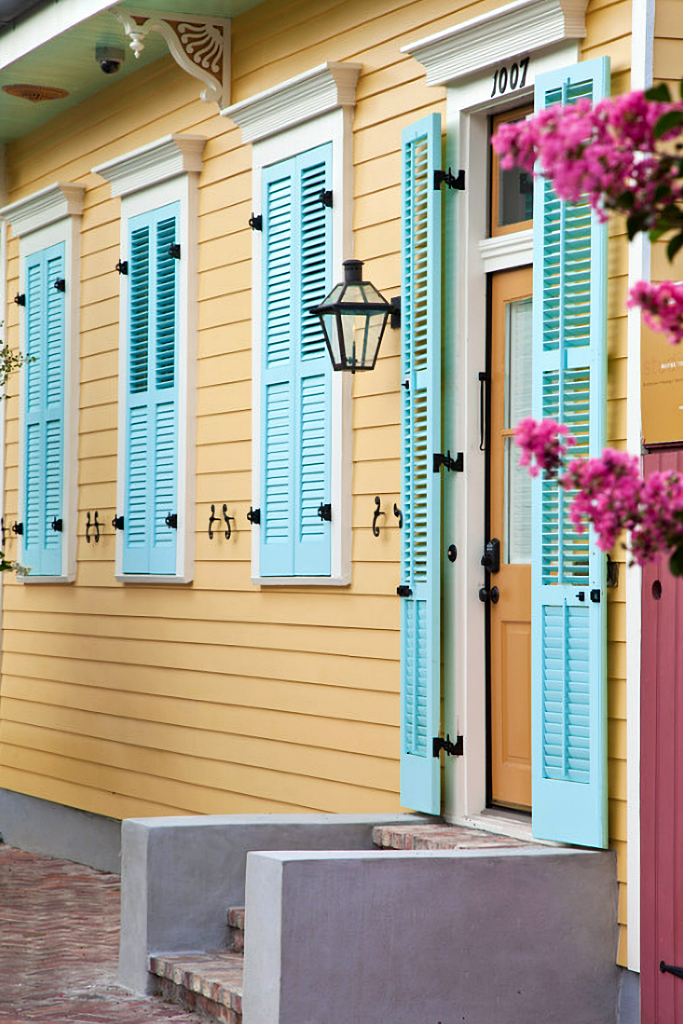
A Brief History of Clapboard Siding
Clapboard siding originated in Europe but became especially popular in colonial America, where settlers used local timber to create overlapping wooden boards to protect their homes. Traditionally made from cedar, pine, or spruce, clapboards were hand-split and smoothed before being nailed horizontally to exterior walls, overlapping to create a weatherproof barrier.
Over time, clapboard siding became a hallmark of American architecture. Whether adorning a Cape Cod beach cottage or a farmhouse on the plains, its straightforward design became synonymous with quality craftsmanship and enduring charm.
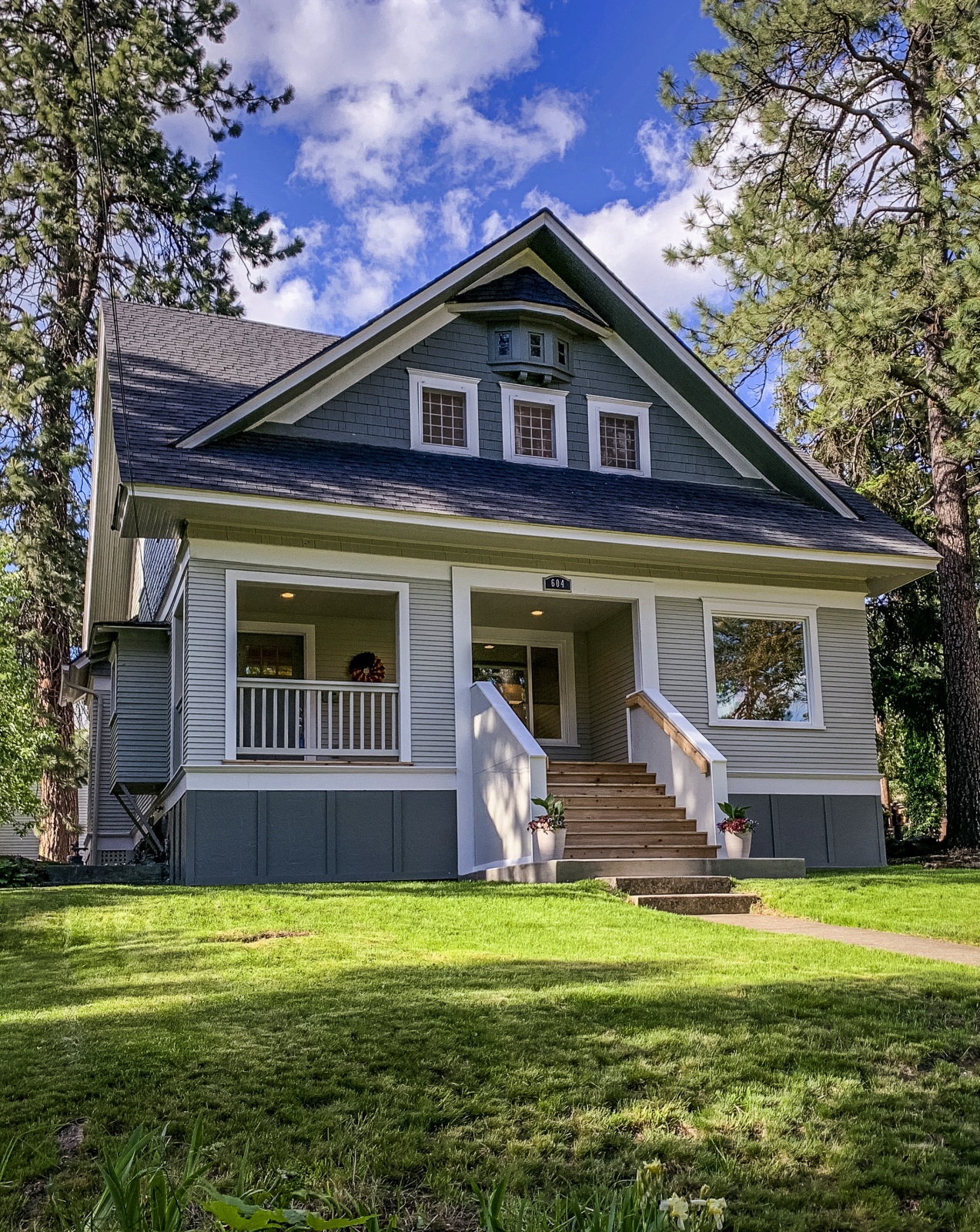
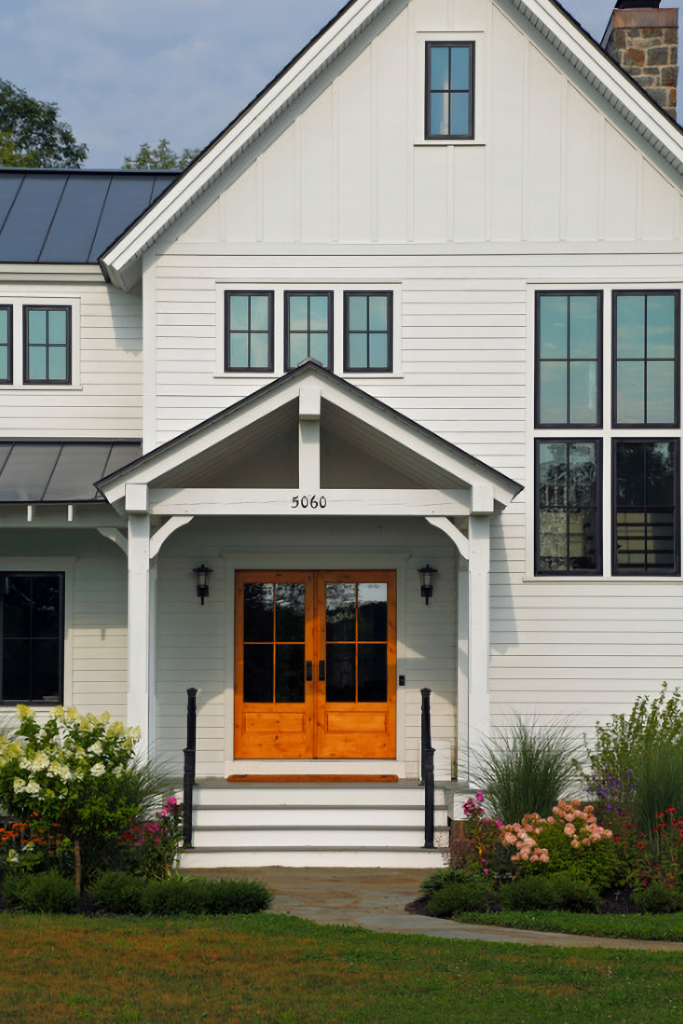 Photo by Balzer & Tuck Architecture
The Timeless Appeal of Clapboard
One of the main reasons clapboard siding continues to be popular is its aesthetic appeal. The linear arrangement of horizontal boards creates clean lines and a cohesive look that suits a wide range of architectural styles. It evokes a sense of tradition, simplicity, and order — all qualities that many homeowners appreciate in their exteriors.
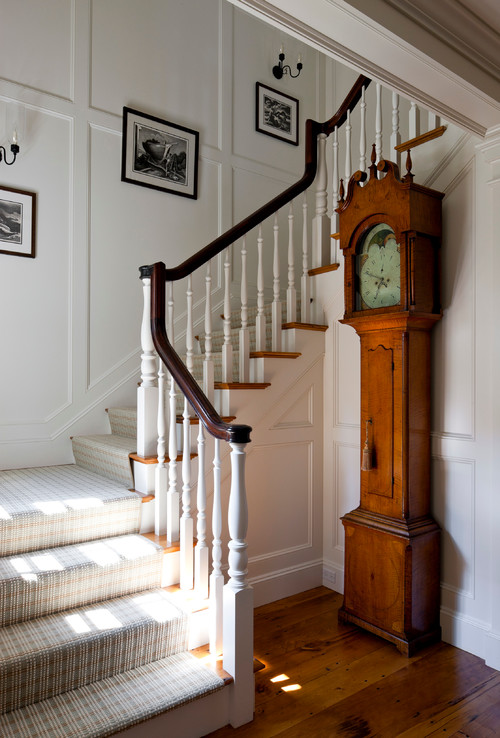
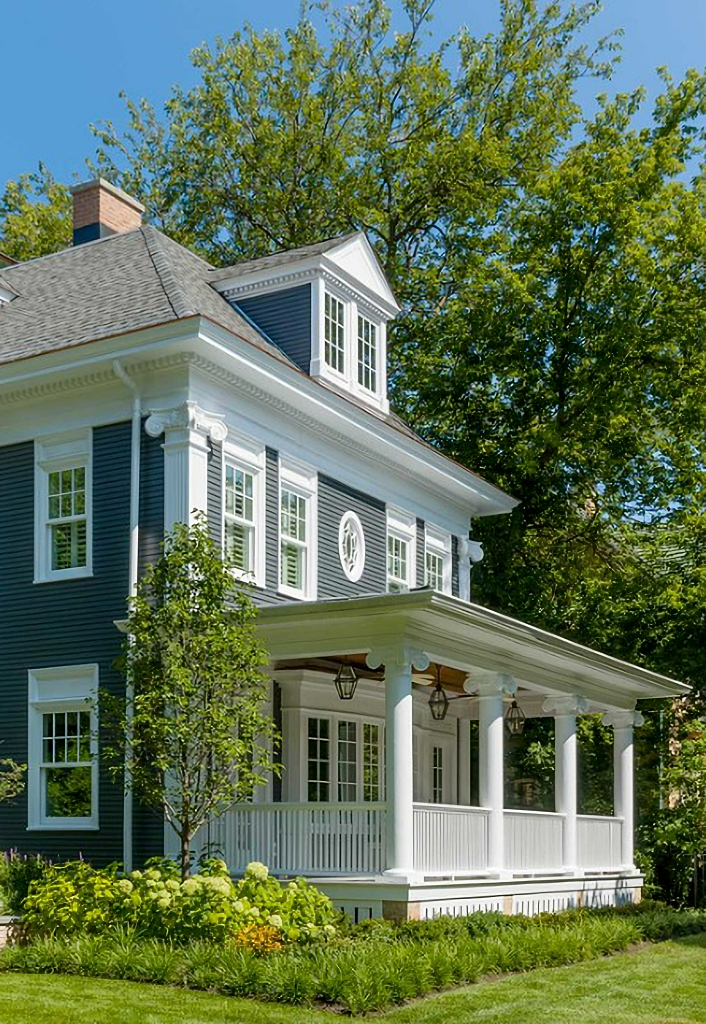 Photo by Scott Simpson Design + Build
Clapboard siding also has a tactile, organic quality, especially when crafted from natural wood. The subtle grain, slight variations in board width, and the way light casts shadows along the overlapping edges give it depth and warmth that manufactured materials can struggle to replicate, although I’ve seen some examples that look fairly realistic.
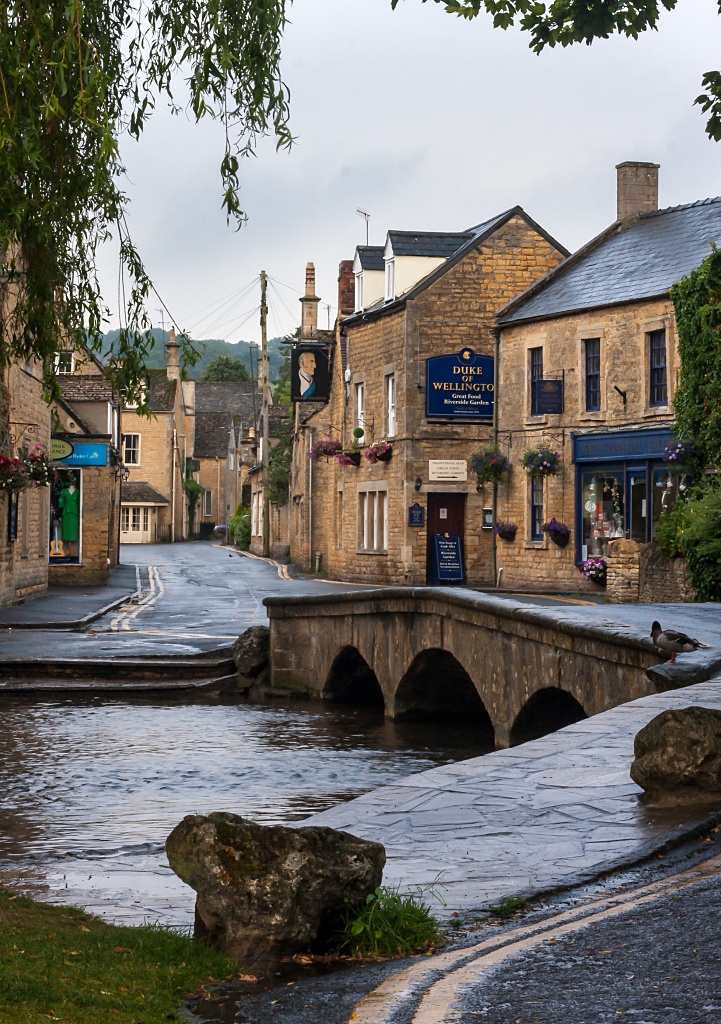
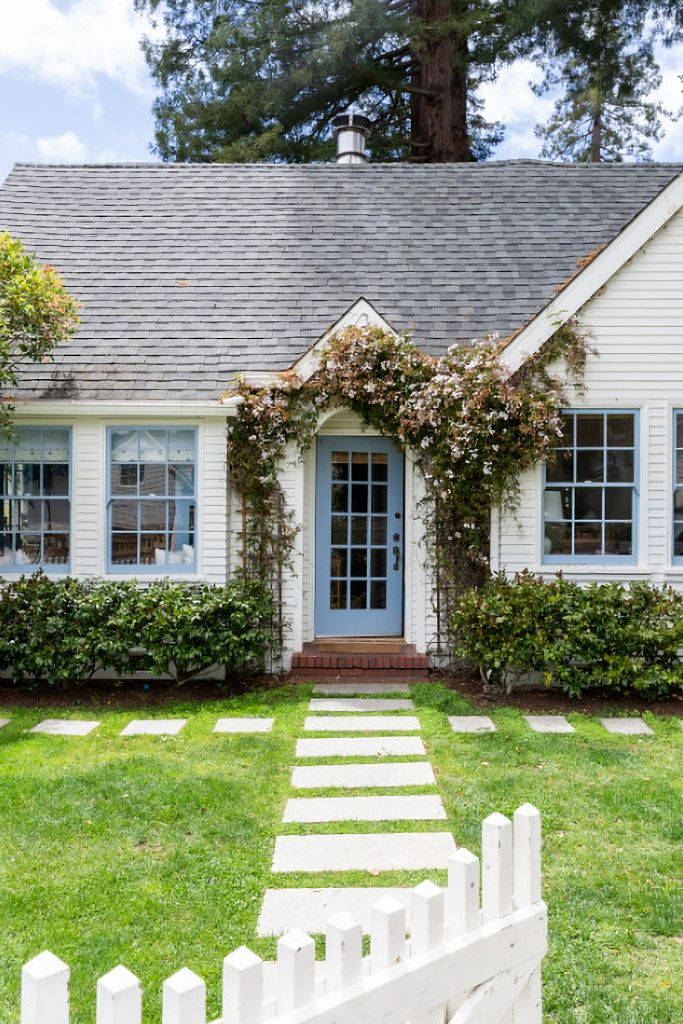 Photo by Bailey McAllister Interiors
For homes aiming to maintain historic integrity, clapboard siding is often a must. It’s found on Georgian, Federal, Colonial Revival, and Greek Revival homes — styles where authenticity matters. Even in contemporary settings, clapboard siding can provide a softening, rustic touch that contrasts beautifully with glass, steel, and concrete. You’ll sometimes see clapboard used on new construction homes aiming for a farmhouse feel.
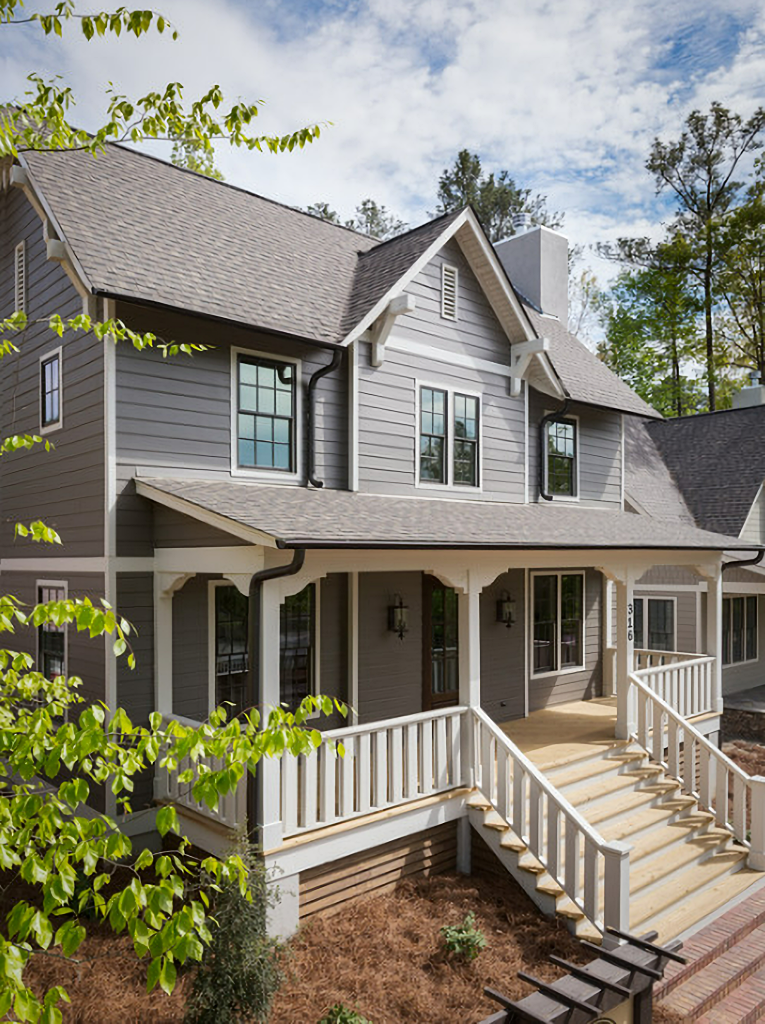
Material Options: Traditional and Modern
Originally, clapboard was made exclusively from wood like my house has, but today there’s a variety of materials to choose from, each offering different benefits.
-
Wood Clapboard remains the gold standard for authenticity and appearance. Cedar is especially popular due to its resistance to rot and insects, as well as its rich color and fine grain. However, it requires regular maintenance, including sealing or painting and occasional replacement of damaged boards.
-
Fiber Cement Clapboard is a modern option that mimics the look of wood but offers greater durability and resistance to weather, fire, and pests. Brands like James Hardie have perfected the art of creating fiber cement boards that capture the look and feel of traditional clapboard while minimizing upkeep.
-
Engineered Wood and Composite Siding also provide the aesthetics of wood with better resistance to moisture and decay. These options can be more affordable than natural wood and often come pre-primed or pre-painted.
-
Vinyl Clapboard Siding, while less authentic in texture, offers a low-cost, low-maintenance alternative that still provides the clean lines homeowners love. It’s lightweight, easy to install, and comes in a wide variety of colors.
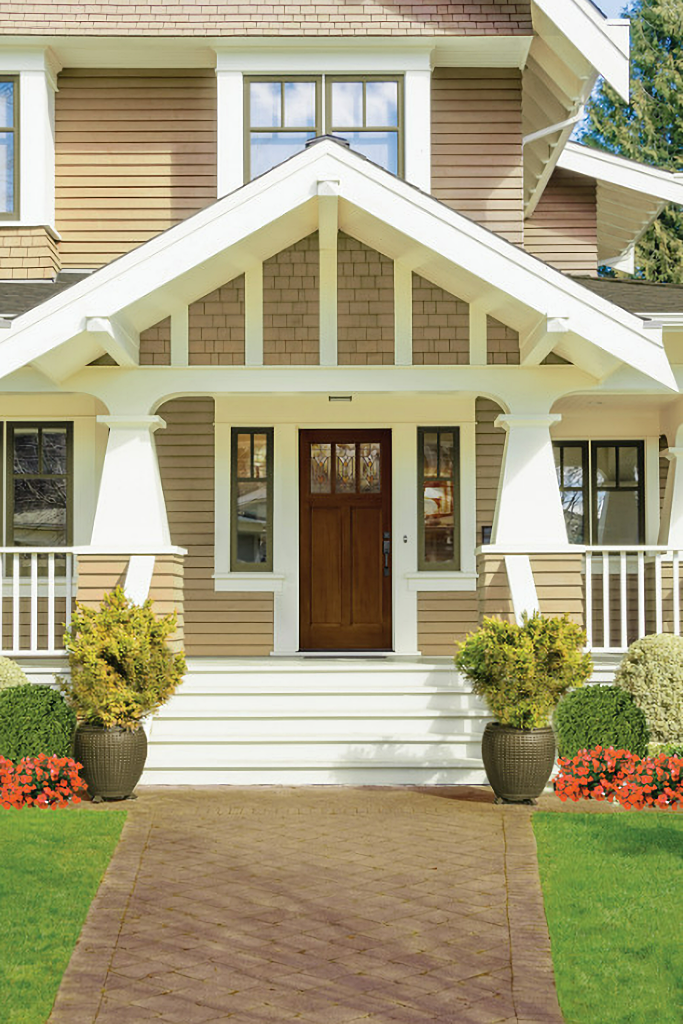
Benefits of Clapboard Siding
While charm and visual appeal are major draws, clapboard offers several practical benefits as well:
1. Durability
Clapboard siding, especially when made from cedar or fiber cement, can stand up to the harshest climates — from coastal salt spray to the freeze-thaw cycles of the northern states. Properly maintained wood clapboards can last decades, while fiber cement and composite options offer even greater longevity.
2. Customizability
Clapboard can be painted or stained virtually any color, making it highly customizable to suit your personal style or match your home’s architectural period. It can also be installed in various widths, allowing for subtle design variations that enhance curb appeal.
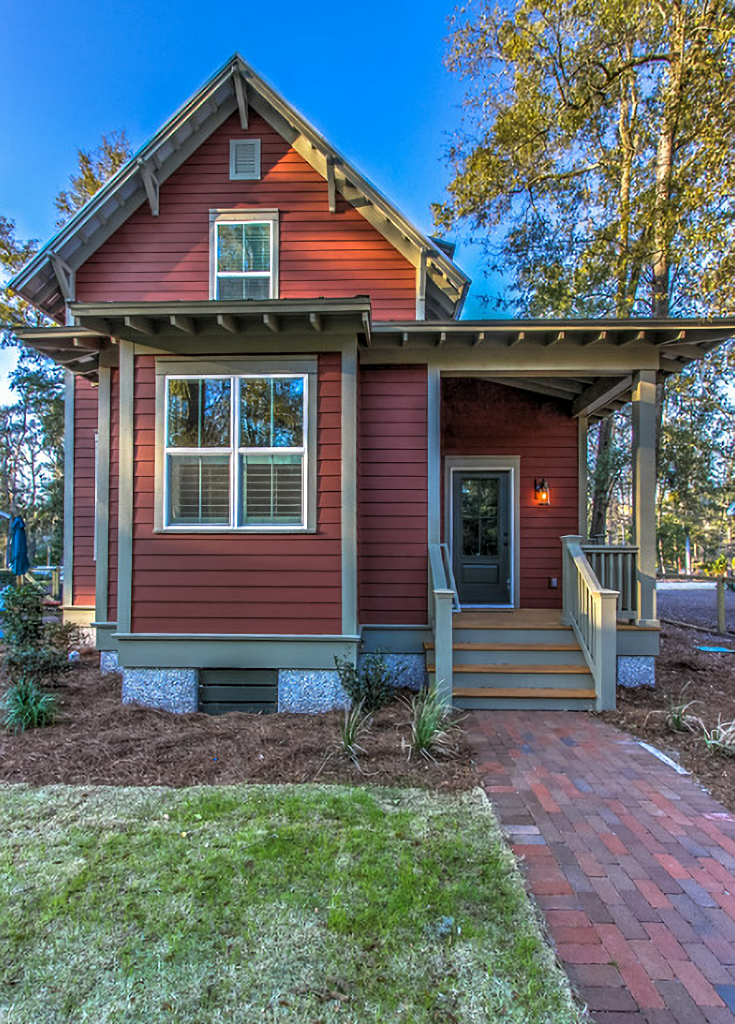 Photo by Boshaw Residential, LLC
3. Energy Efficiency
When paired with proper insulation and underlayment, clapboard siding can contribute to a home’s energy efficiency. The overlapping boards help create a tight envelope that blocks wind and moisture.
4. Repairability
One of the understated benefits of clapboard siding is that it’s relatively easy to repair. If a section becomes damaged, individual boards can be replaced without removing large sections of siding — a distinct advantage over systems like stucco or panel siding.
5. Increased Property Value
Homes with well-maintained clapboard siding often command higher resale values thanks to their timeless curb appeal and perceived quality. Real estate buyers frequently associate clapboard siding with classic style and structural integrity.
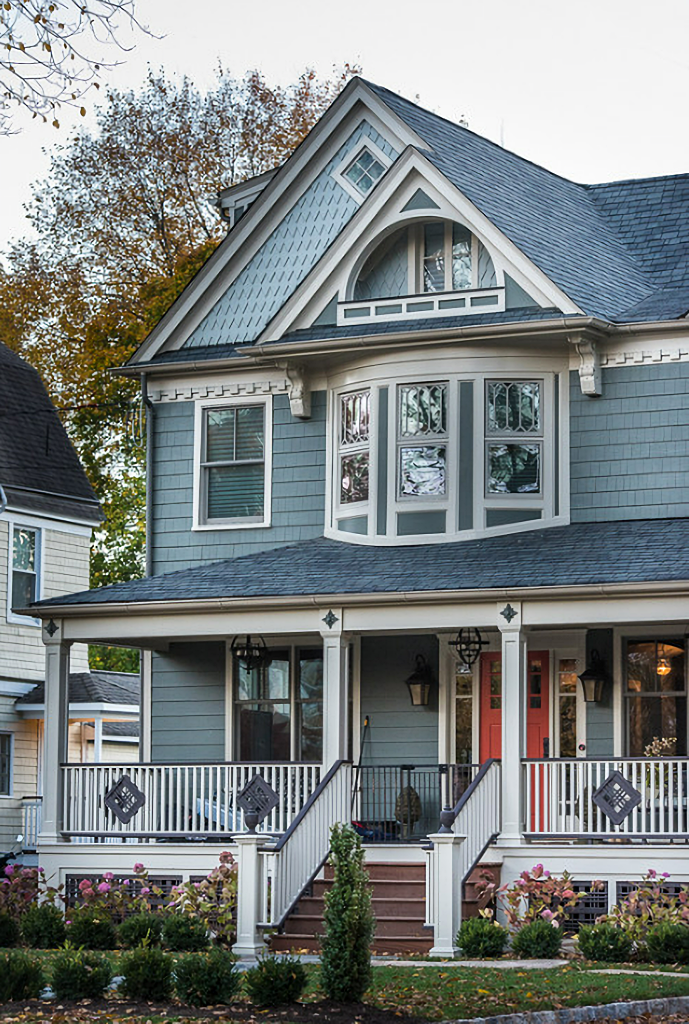
Maintenance Considerations
While clapboard siding has many benefits, it does have regular maintenance requirements, particularly for natural wood. We painted our house 11 years ago and she already needs some touch ups. I’m waiting until closer to fall to scrape and paint where it’s peeling. It’s no fun, but I don’t have the heart replace the siding.
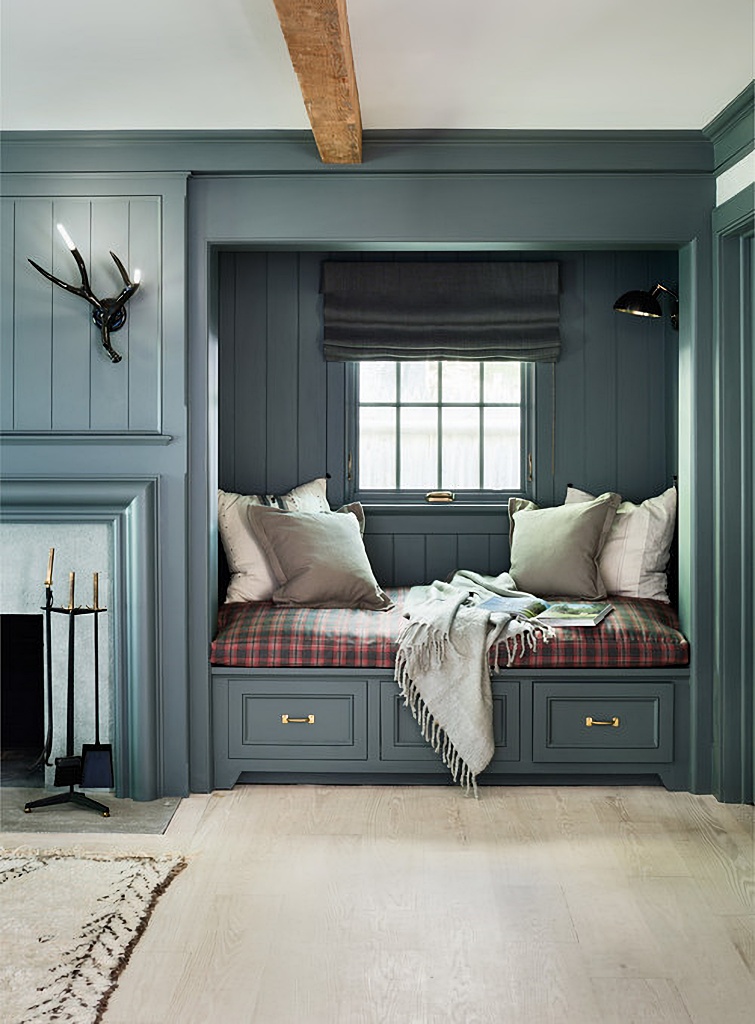
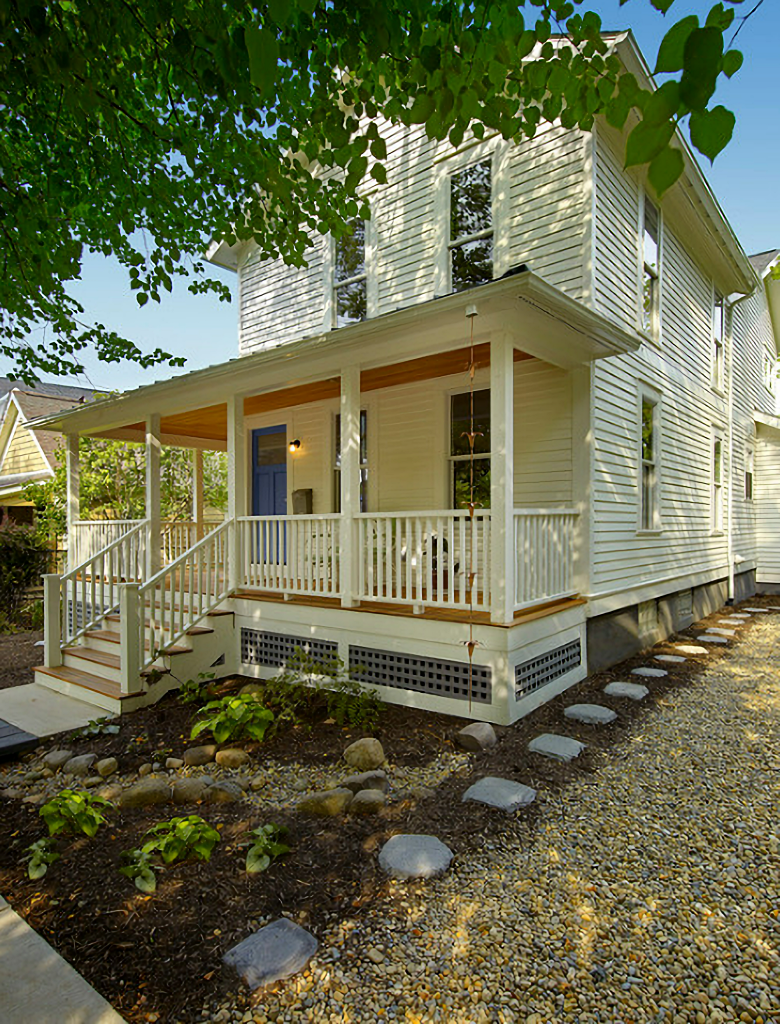 Photo by Meadowlark Design+Build
Few exterior materials combine historical charm, aesthetic flexibility, and practical performance the way clapboard siding does. It’s a testament to design simplicity that has lasted for centuries — adaptable to old farmhouses, grand Victorian homes, and newly built cottages alike.
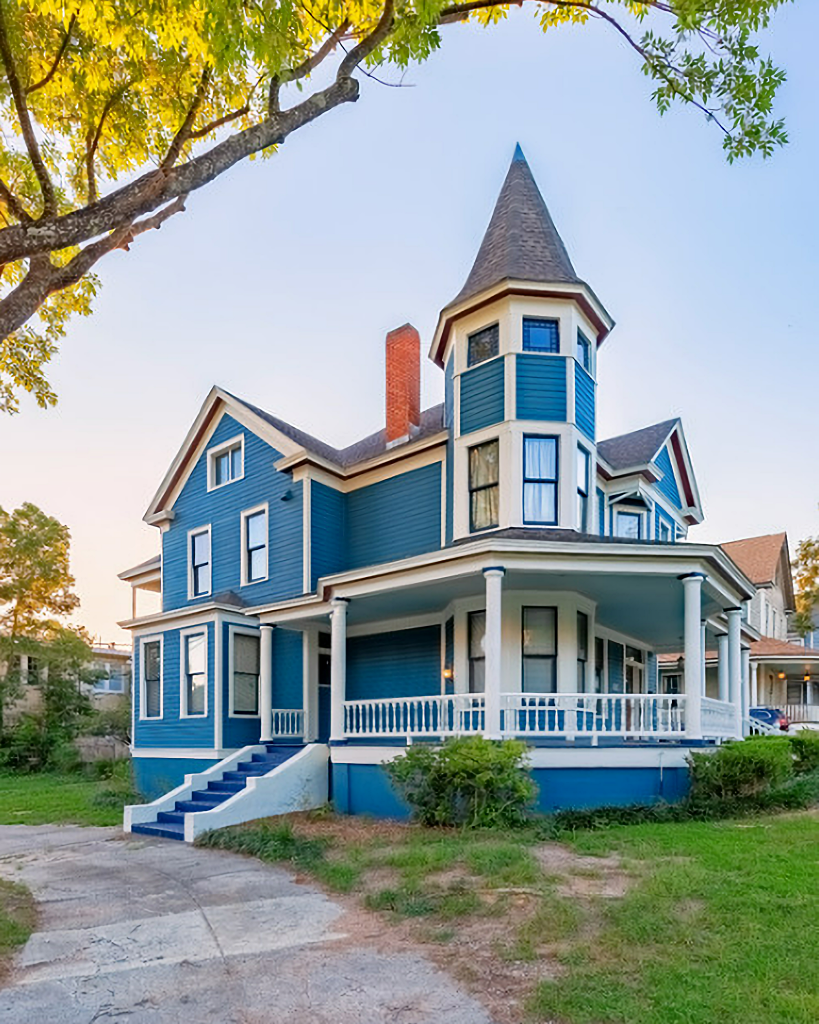 Photo by Omega Construction and Design, Inc.
I hope you enjoyed today’s collection of homes in a range of colors. Houses can be beautiful no matter what type of siding they have. I’m planning a feature on stone and wood home exteriors – coming soon!
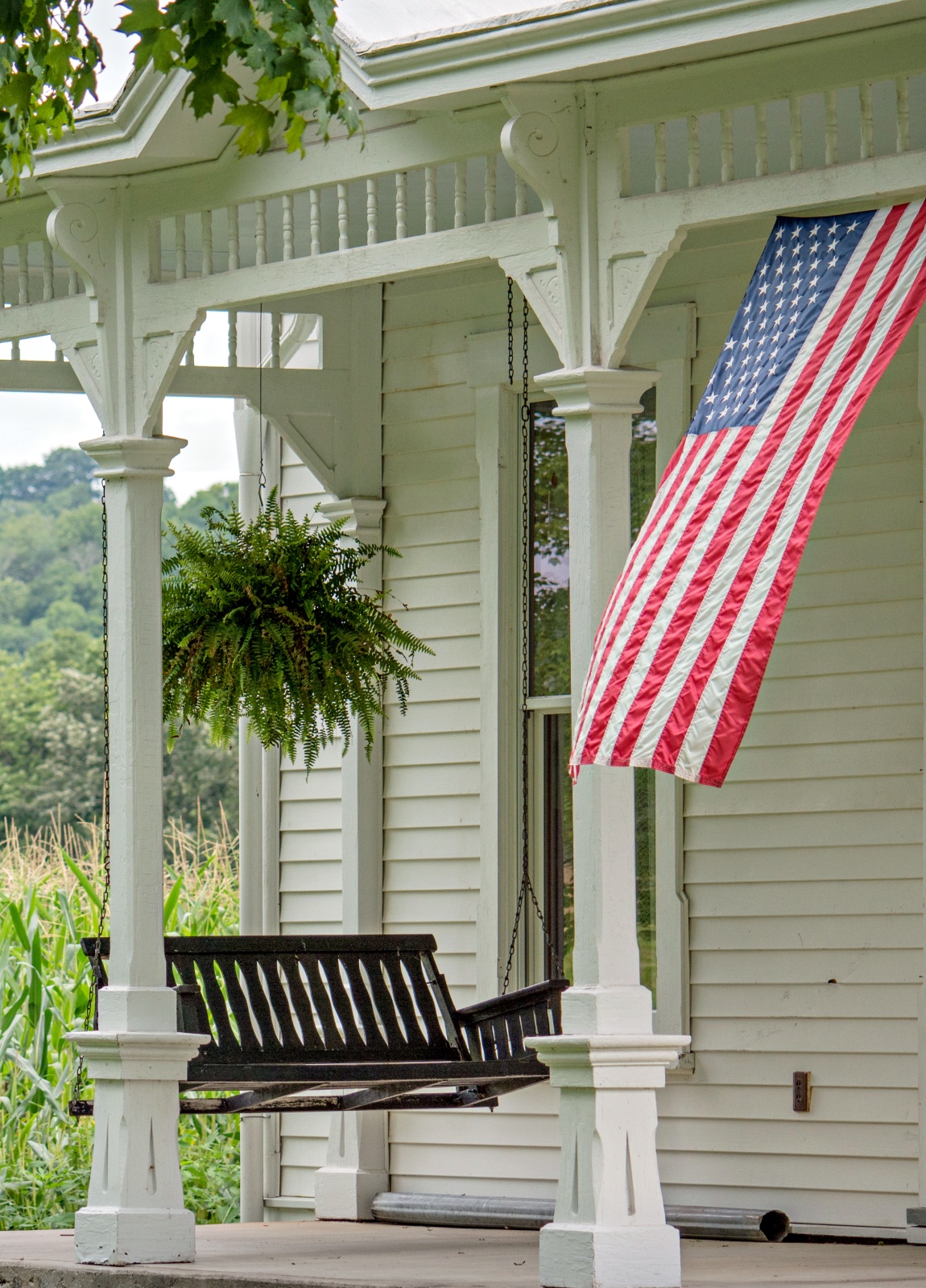
The homes featuring clapboard are gorgeous. We have some sections of clapboard on our home and I love the aesthetic it provides.
Glad you enjoyed the houses, Deb. I wish more homes (like yours) still had clapboard.
These examples were so charming and I truly enjoy clapboard siding no matter the upkeep. The paint they have now is also a benefit for clapboard siding for it lasts a lot longer.
Hi Marlene! The last time we painted our house we used a higher end paint so we wouldn’t have to turn around and paint it again so soon. Definitely worth every penny!