
Unbelievably Stylish Tufted Furniture: Great Designs That Impress
If you’ve ever sunk into a plush sofa or admired the elegant dimples on a headboard, you’ve already met tufted furniture. It’s one of those design details that instantly makes a piece feel special—like it’s had a little extra love and care stitched right in. From old-world Chesterfield sofas to sleek, modern benches, tufting has a way of blending timeless charm with everyday comfort, making it a favorite for just about any style of home.

A Brief History of Tufting
Tufting first gained popularity in 18th-century England, where craftsmen sought ways to secure deep layers of padding in upholstered furniture. By stitching through the layers of fabric and stuffing, then anchoring the stitches with buttons or knots, upholsterers created a distinctive dimpled effect. This method not only secured the filling in place but also helped the piece maintain its shape over time.
The Chesterfield sofa, one of the most iconic tufted designs, emerged in the late 1700s. Its deep-buttoned leather upholstery and rolled arms became synonymous with British gentlemen’s clubs and libraries. Over time, tufting techniques spread throughout Europe and America, influencing headboards, armchairs, ottomans, and even dining chairs. (I know it might not be for everyone, but I adore the fish picture above the leather Chesterfield below.)

Why Tufting Stands Out
Tufted furniture is more than a decorative choice—it’s a tactile experience. The play of light and shadow across the dimples creates visual interest, while the texture invites you to sink in and relax.
Here are some key reasons tufting remains a favorite among designers and homeowners:
-
Visual Depth: Tufting adds dimension to a piece, making it look more substantial and detailed.
-
Luxurious Feel: Whether in plush velvet, supple leather, or crisp linen, tufting conveys craftsmanship and quality.
-
Versatility: Tufting works in both ornate, traditional settings and minimalist, modern spaces depending on fabric choice and button placement.
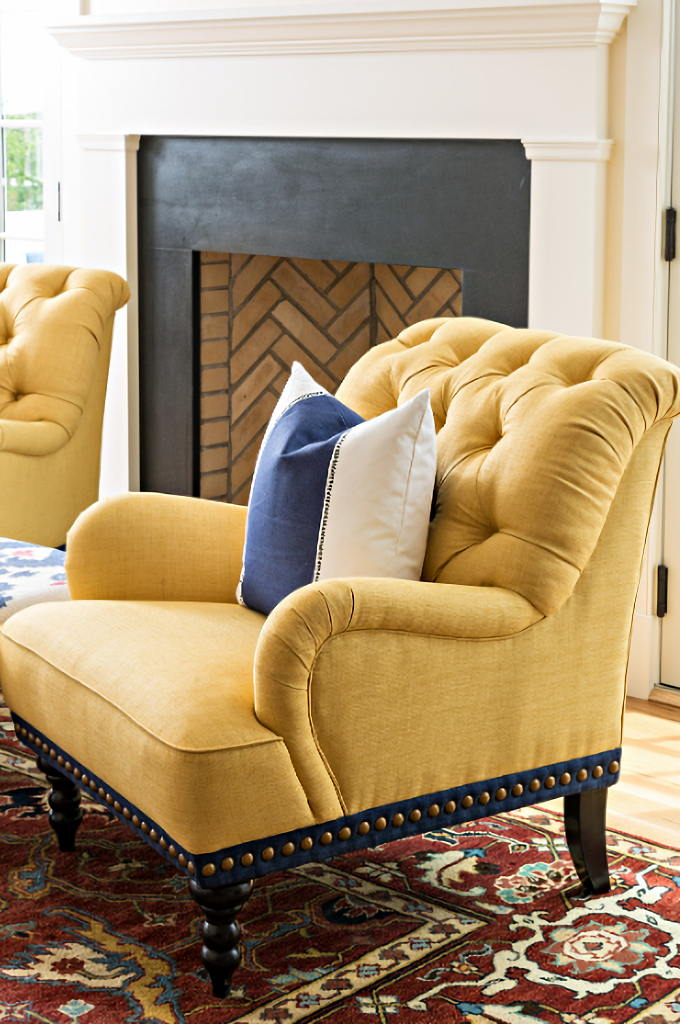 Photo by The Red Shutters – Marina Case
Types of Tufting
While the general concept is consistent—pulling fabric inward and securing it—did you know there are several tufting styles, each with a distinct personality.
-
Diamond Tufting
The most classic form, diamond tufting, features a grid of raised points that form diamond shapes between buttons. This style is common on Chesterfields, headboards, and high-back chairs. -
Biscuit Tufting
Biscuit tufting creates square or rectangular panels rather than diamonds. Its clean lines make it a favorite for mid-century modern furniture and sleek, low-profile sofas. -
Channel Tufting
Vertical or horizontal channels replace buttons in this method, creating bold, streamlined ridges. Popular in Art Deco and contemporary designs, channel tufting often appears on banquettes and wall panels. -
Blind Tufting
Blind tufting omits buttons entirely, resulting in a softer, more subtle look. This style suits understated or minimalist interiors while still adding depth.
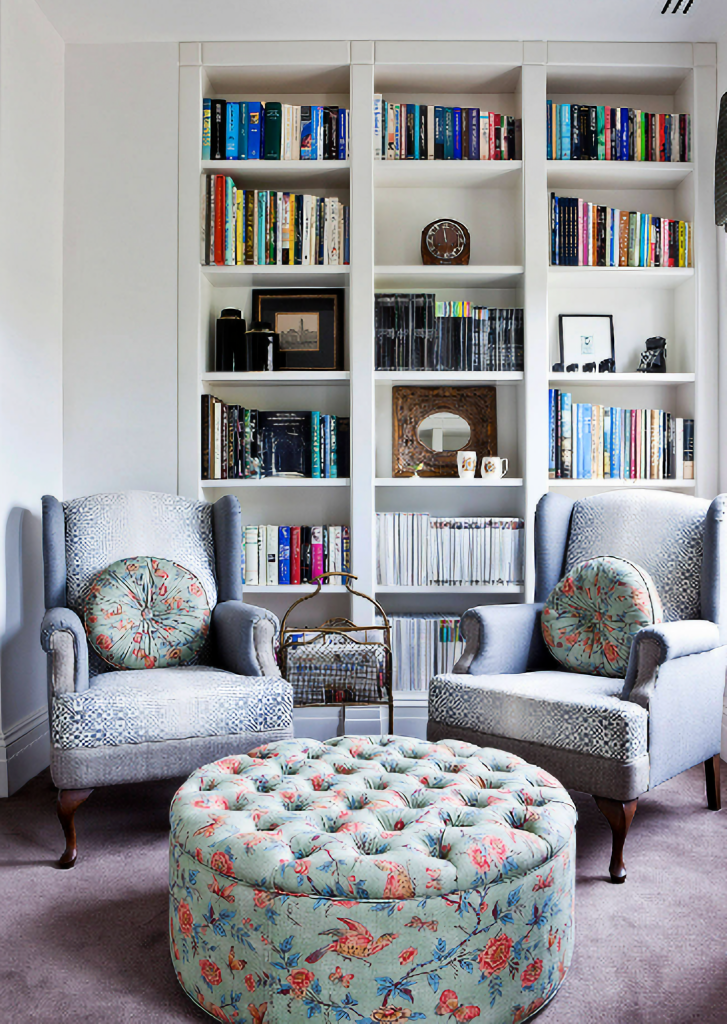
Materials that Make Tufting Shine
Fabric choice has a huge impact on the final look of tufted furniture.
-
Velvet: Plush and rich, velvet enhances the depth of tufting with its light-catching nap.
-
Leather: Smooth and durable, leather tufting exudes sophistication and ages beautifully over time.
-
Linen: Casual and breathable, linen works well in relaxed spaces but gives a fresh take on traditional tufted designs.
-
Performance Fabrics: Modern stain-resistant materials allow tufted furniture to stand up to everyday life without losing elegance.
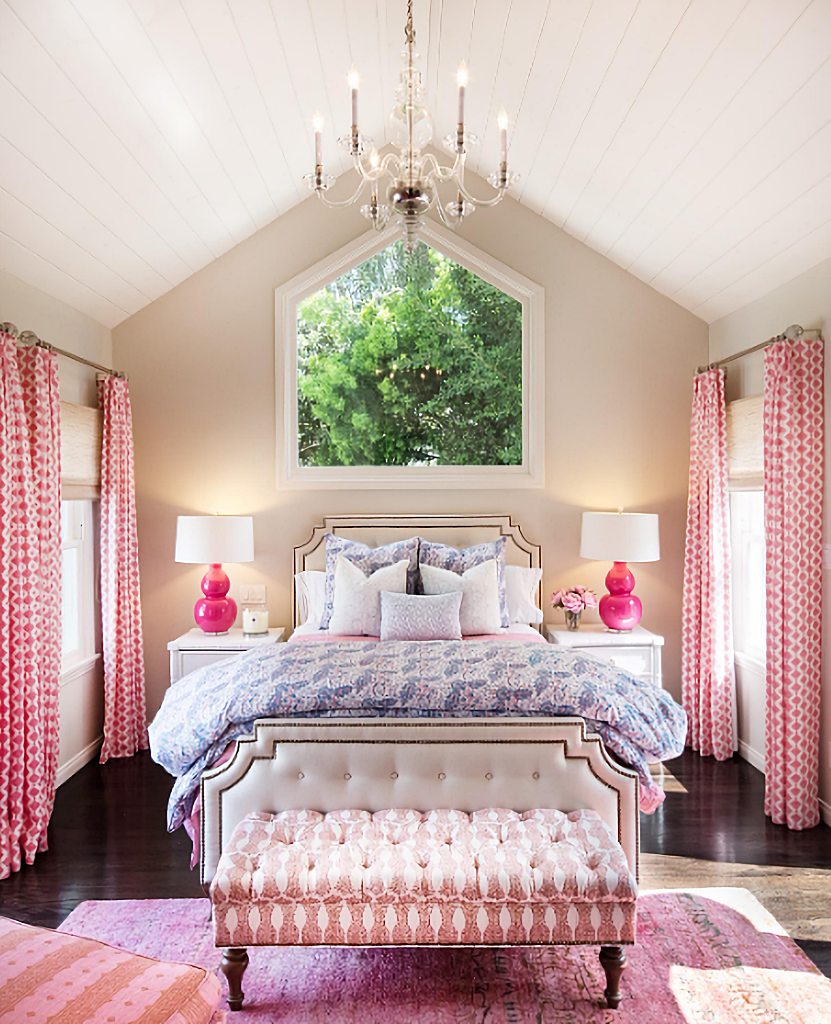 Photo by Bennett Lerner Interiors
Where to Use Tufted Furniture in Your Home
Tufting can make a statement in nearly any room:
-
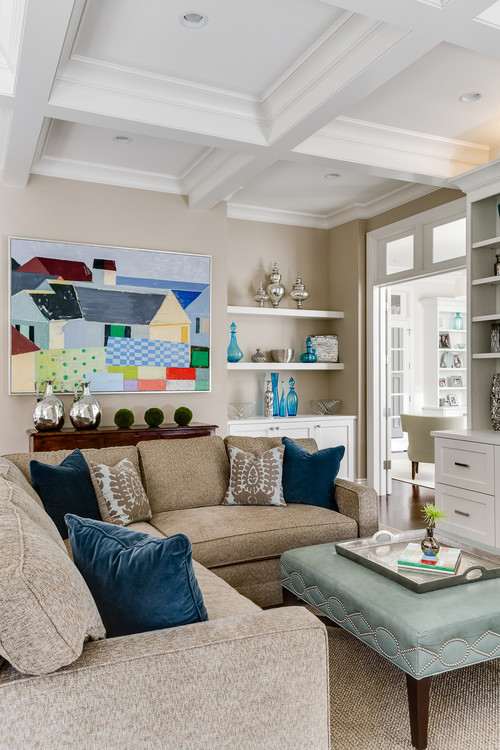
Living Room: A tufted sofa or ottoman can serve as a focal point, adding texture to a seating area.
-
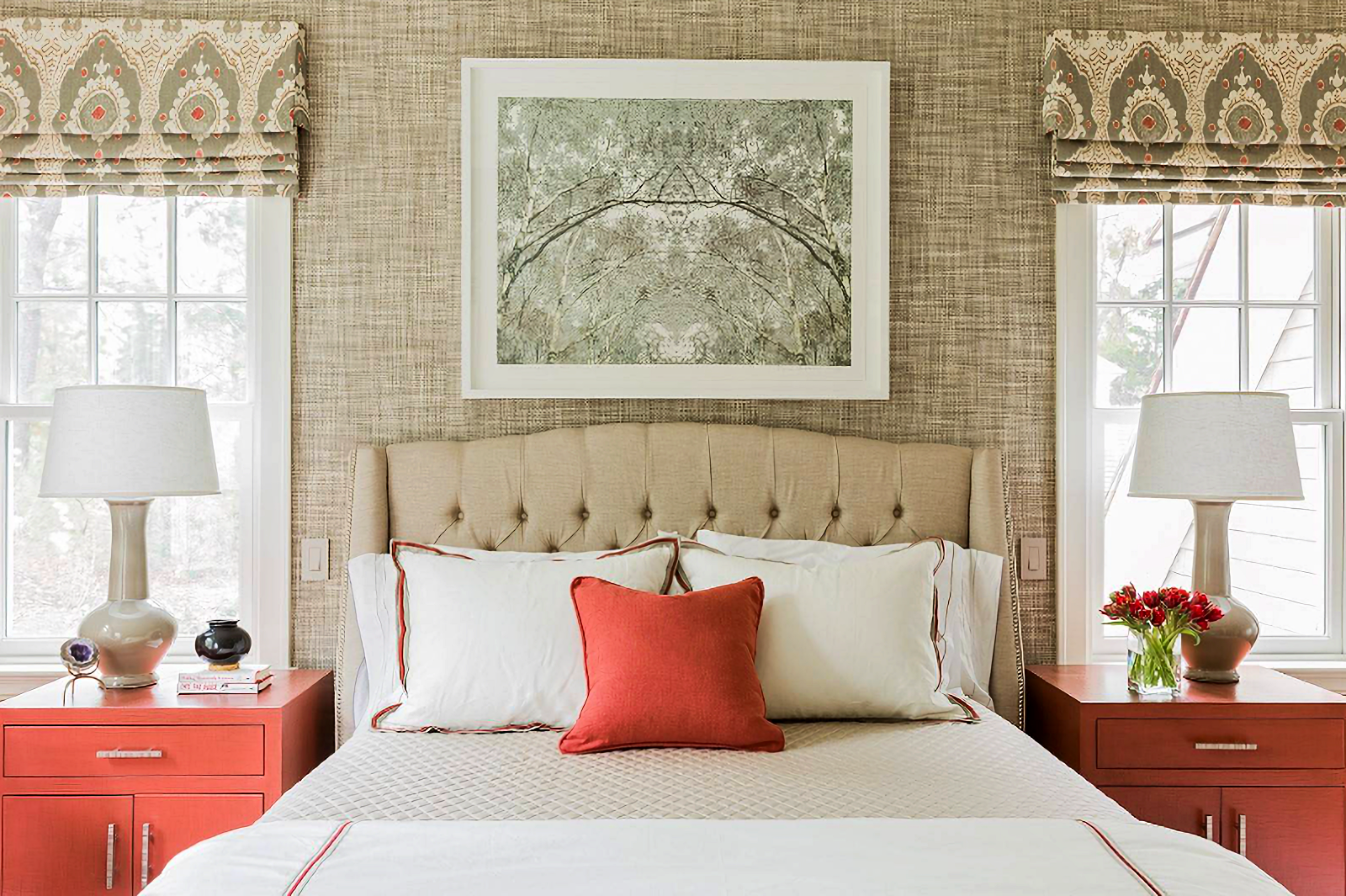
Bedroom: Tufted headboards bring a cozy, tailored feel while anchoring the bed as the room’s centerpiece.
-
Dining Room: Tufted dining chairs or banquettes lend an upscale, comfortable atmosphere.
-
Entryway: A tufted bench combines practicality with style, making a welcoming first impression.
Caring for Tufted Furniture
Because tufting involves folds and creases in fabric, it can attract dust more easily than flat upholstery. Regular maintenance will keep it looking pristine:
-
Vacuum with a brush attachment to remove dust from creases and button areas.
-
Spot-clean spills immediately to prevent stains from setting.
-
Rotate cushions on tufted sofas to maintain even wear.
-
Condition leather every few months to preserve softness and prevent cracks.
Blending Old and New
What makes tufting so versatile is its ability to bridge design eras. A traditional tufted sofa in a bold, modern fabric instantly feels updated. Similarly, a sleek, biscuit-tufted headboard in a neutral linen can soften an otherwise contemporary room. Designers often pair tufted pieces with contrasting elements—think a plush diamond-tufted chair alongside an industrial metal coffee table—to create balance and visual interest.
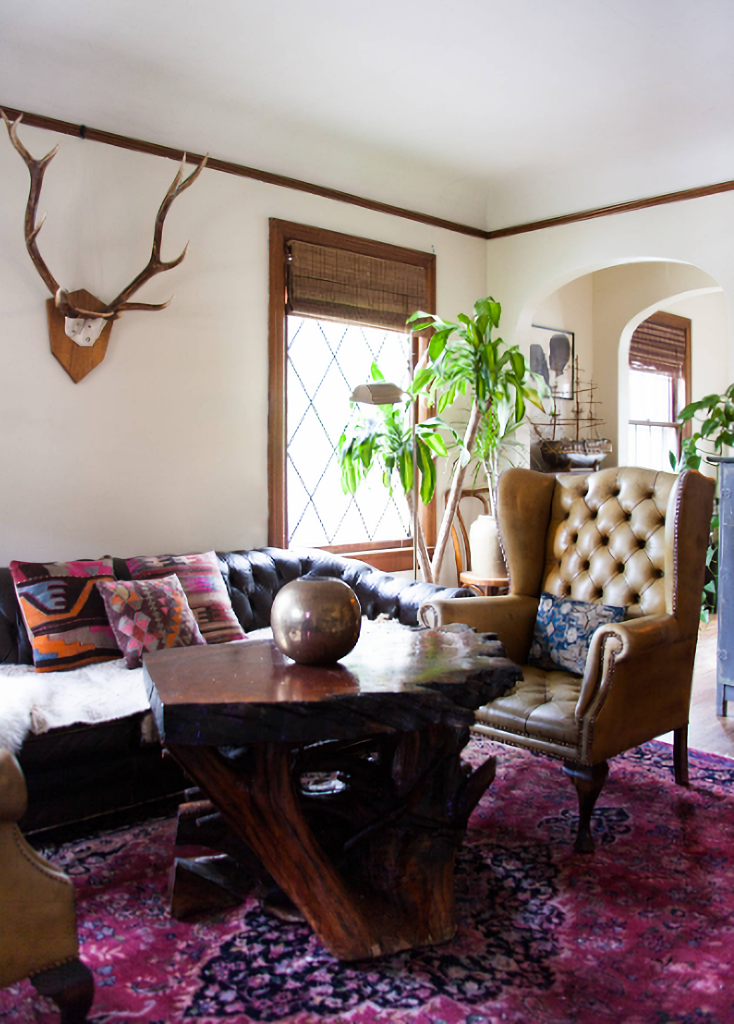 Photo by Ellie Lillstrom Photography
The Enduring Allure
Tufted furniture has staying power that lies in its perfect mix of form and function. It’s decorative without being fussy, comfortable without being plain, and traditional without feeling outdated. Whether you’re drawn to the stately elegance of a leather Chesterfield or the clean geometry of biscuit tufting, adding a tufted piece to your home brings texture, history, and timeless style under one beautifully stitched surface.

I love this article–learned a lot about the different types of tufting. And I love tufting on the backs of sofas and chairs, but not a fan of tufting on the seats.
Very informative. You, my dear, are a wealth of knowledge! I had not actually thought about tufting having different types of design. I’m needing to have a window seat done in our guest room and this info will be very helpful when talking to the seamstress.
Thank you for all the tufting information. I have always liked tufting but not on a headboard because of the dust that tufting collects. But it does look beautiful on a headboard.
Memories of elegant comfort from grandparents’s home. I remember drowning in plushness in their parlour. Tea and nostalgia at its finest! Thank you!
Thanks for all the information and I love the tufting style of furniture.