
Why We Love Historic Homes: The Irresistible Charming Details
There’s a reason so many people fall in love with historic homes. Whether it’s the creak of century-old floors beneath your feet or the intricate woodwork that frames a parlor doorway, these homes whisper stories of the past through the craftsmanship and character in every corner. Unlike newer builds that often prioritize efficiency and modern trends, historic homes were constructed in an era when detail was everything—and it’s that attention to design, proportion, and materials that continues to enchant homeowners and admirers today.
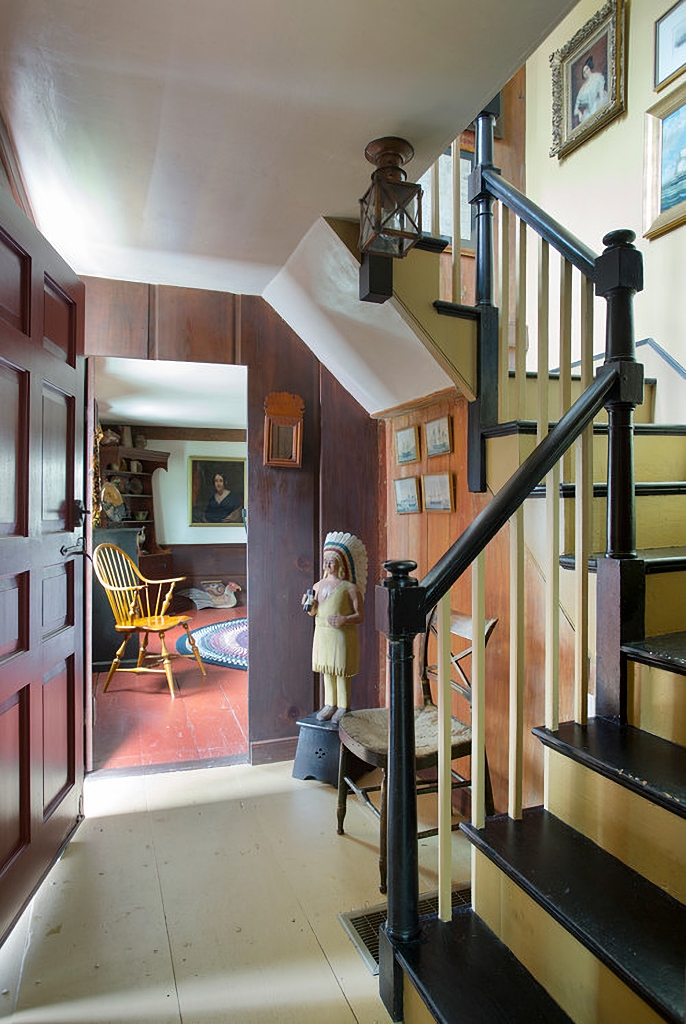 Photo by Cummings Architecture + Interiors
Architectural Character You Can’t Recreate
At the heart of every historic home is its architectural style. From Queen Anne Victorians with their asymmetrical turrets and decorative trim to Craftsman bungalows known for exposed rafters and built-in cabinetry, the architecture alone sets these homes apart. These styles weren’t just visual choices—they reflected the values and priorities of the time. For example, Georgian and Colonial Revival homes emphasized symmetry and order, while Gothic Revival structures leaned into romance and vertical drama.
These stylistic choices created a strong sense of identity, with every detail—from the window proportions to the pitch of the roof—carefully considered. Walking through historic homes, you instantly get a sense of place and time, something that’s hard to replicate with newer construction.
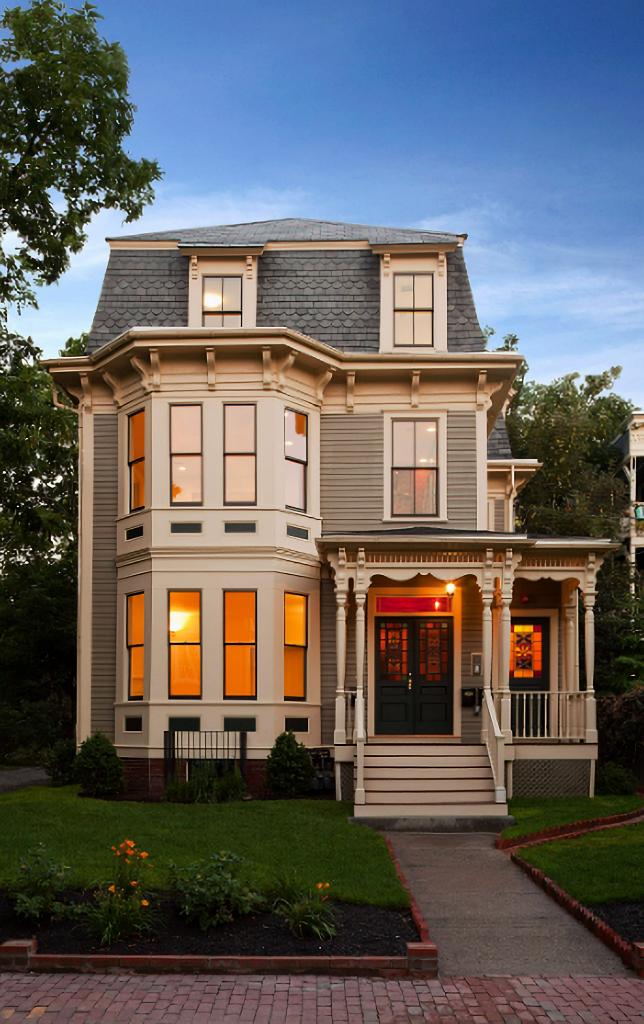
Exquisite Millwork and Moldings
Crown moldings, wainscoting, chair rails, and elaborate newel posts are among the many features that signal the presence of old-world craftsmanship. Much of this millwork was done by hand, resulting in intricate patterns and variations that gave each home a unique touch. Wide baseboards and detailed window casings were often standard, not upgrades, and spoke to the pride builders took in their work.
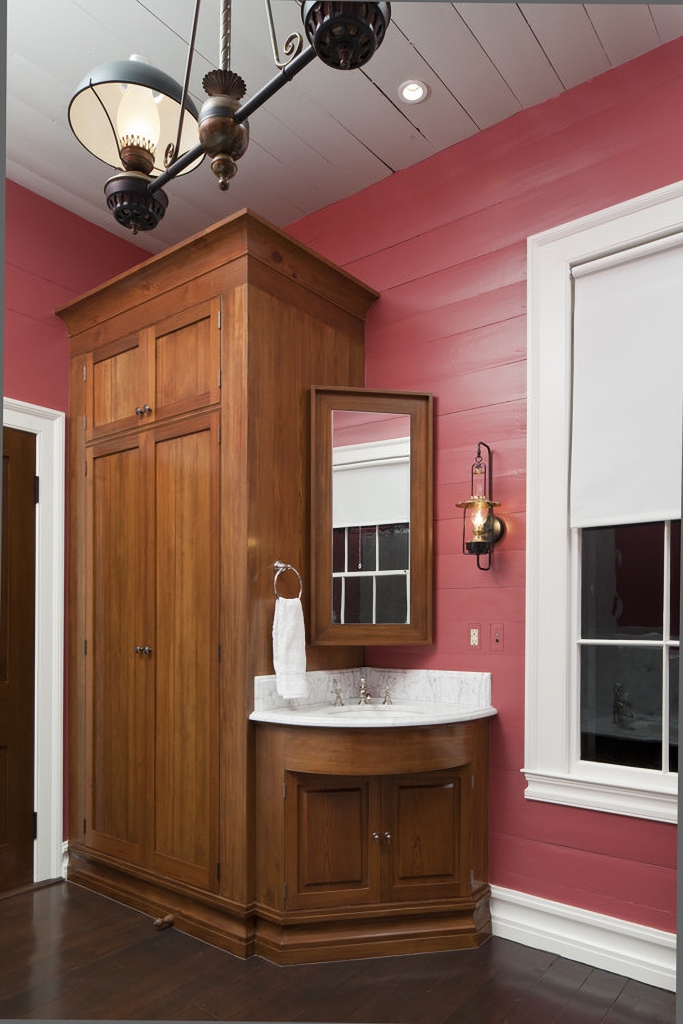
Even utilitarian elements like staircases were opportunities for artistry. A carved banister or a decorative balustrade could become a focal point, turning something functional into something beautiful.
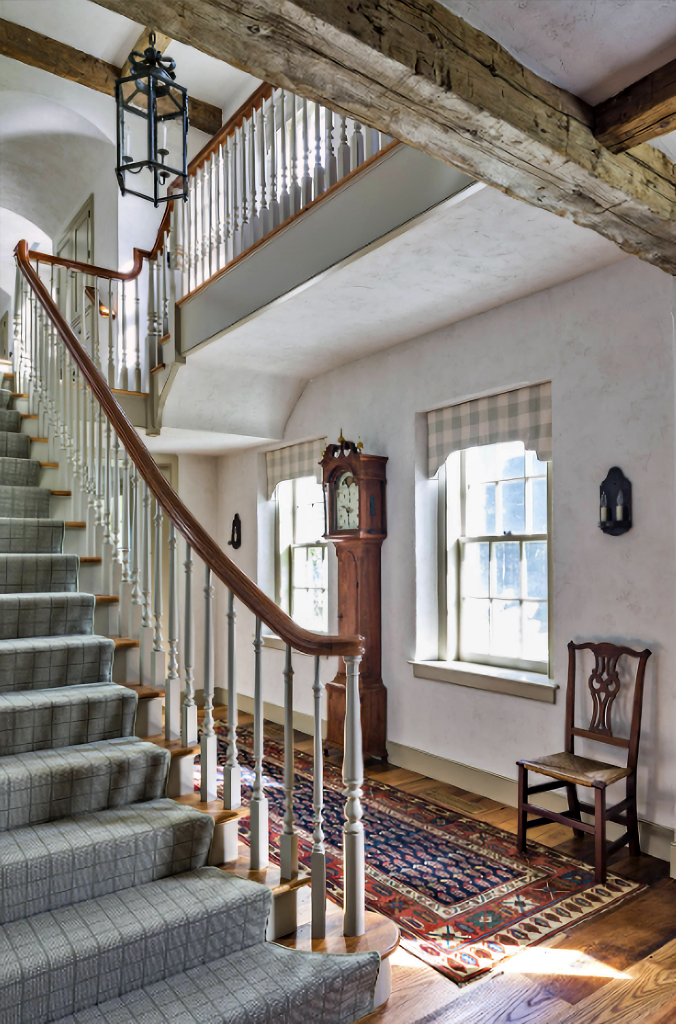 Photo by Haver & Skolnick LLC Architects
Original Materials That Last
The materials used in historic homes often stand in stark contrast to what’s used in modern builds. Hardwood floors made of oak, heart pine, or maple have weathered decades (or even centuries) and still retain their charm. Solid wood doors, natural stone, plaster walls, and clay tiles all contribute to a sense of substance and longevity.
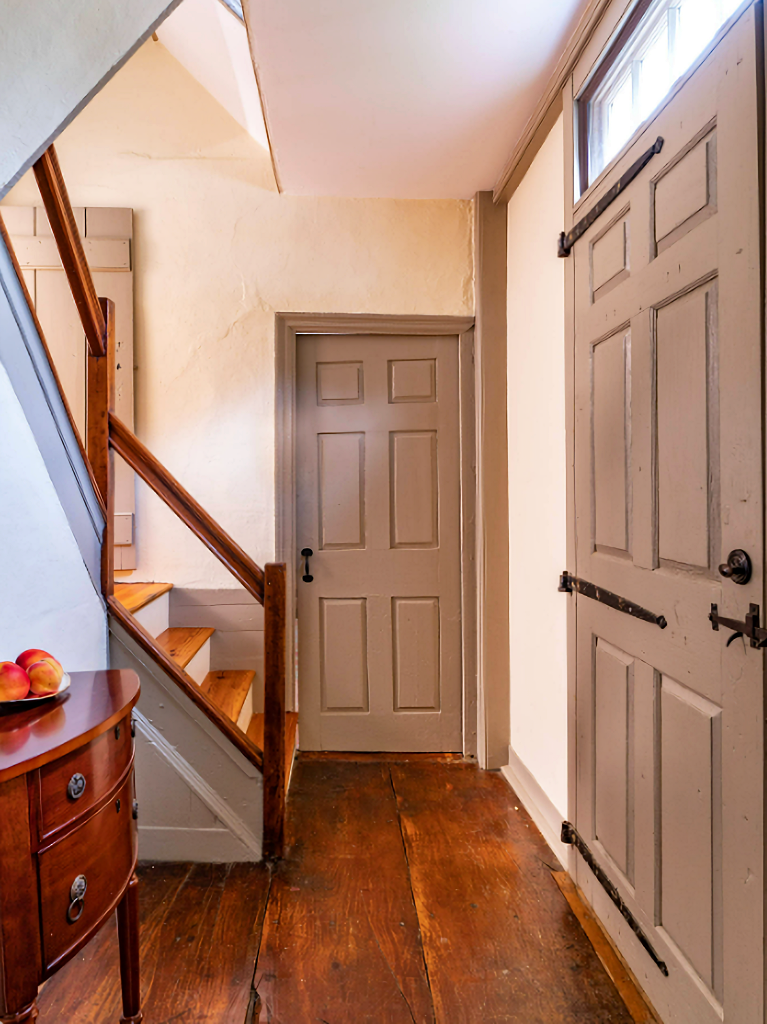 Photo by Cummings Architecture + Interiors
Because these materials were sourced locally and built to last, they age gracefully, developing patina and character that only adds to their beauty. In many cases, the natural imperfections—like worn stair treads or slightly rippled glass—are prized details, telling the story of a home that’s been lived in and loved over time.
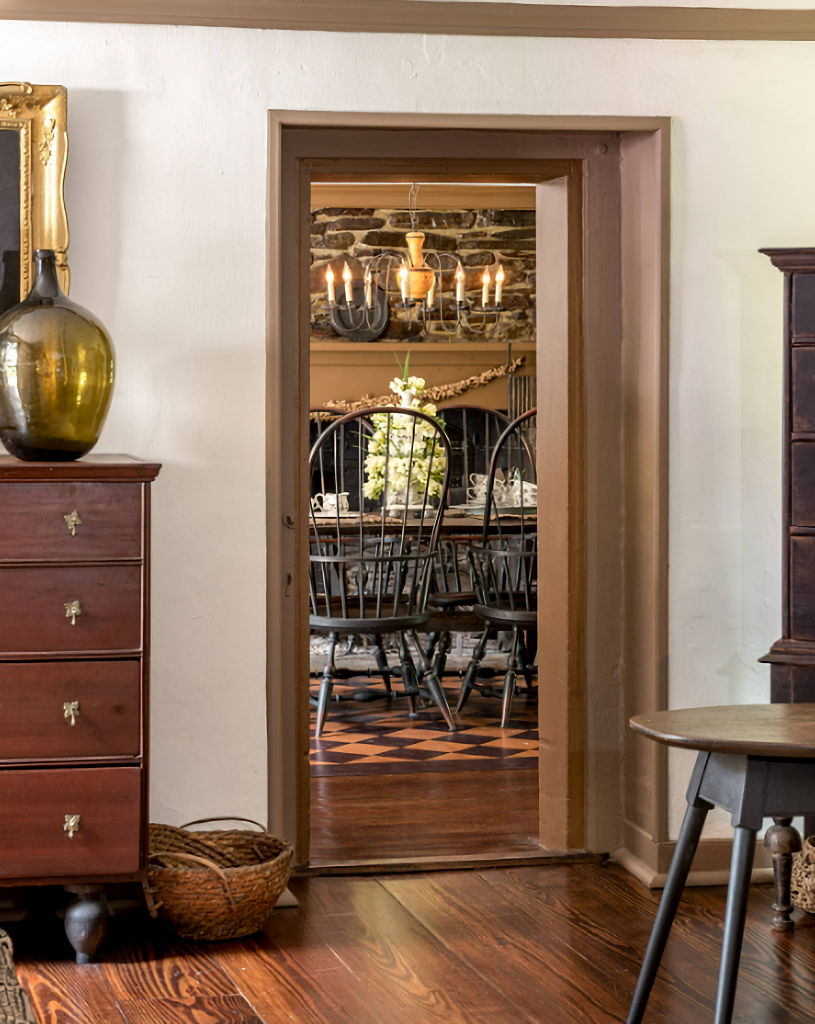 Photo by Period Architecture Ltd.
Ornate Fireplaces and Mantels
In the days before central heating, fireplaces weren’t just decorative—they were essential. But that didn’t stop builders from turning them into works of art. Elaborately carved mantels, tile surrounds, and cast-iron inserts are commonly found in historic homes. Each fireplace often had its own personality, and no two were exactly alike.
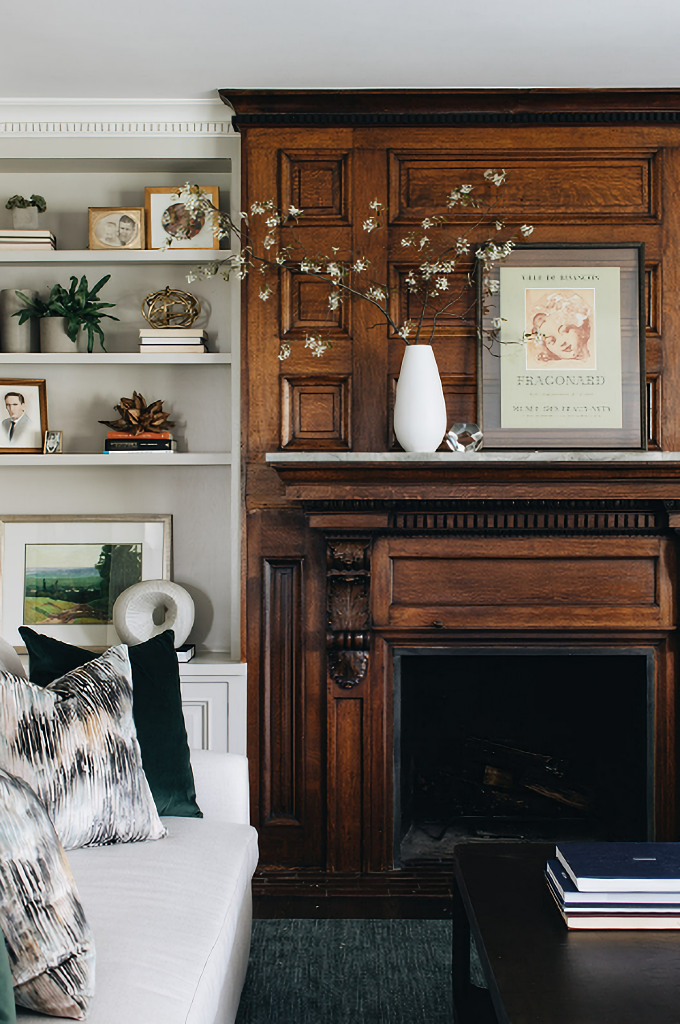
Whether grand and imposing or small and cozy, fireplaces offer a glimpse into a slower era of home life. Even in historic homes where the fireplaces are no longer used for heat, they remain significant focal points that provide architectural interest and warmth—both literal and visual.
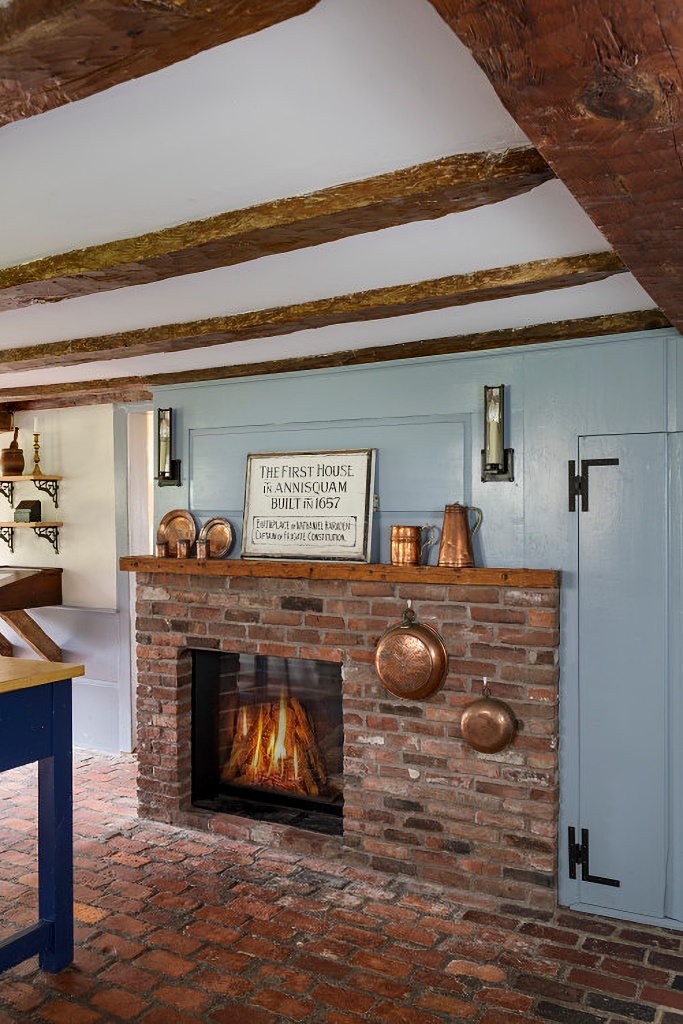 Photo by Cummings Architecture + Interiors
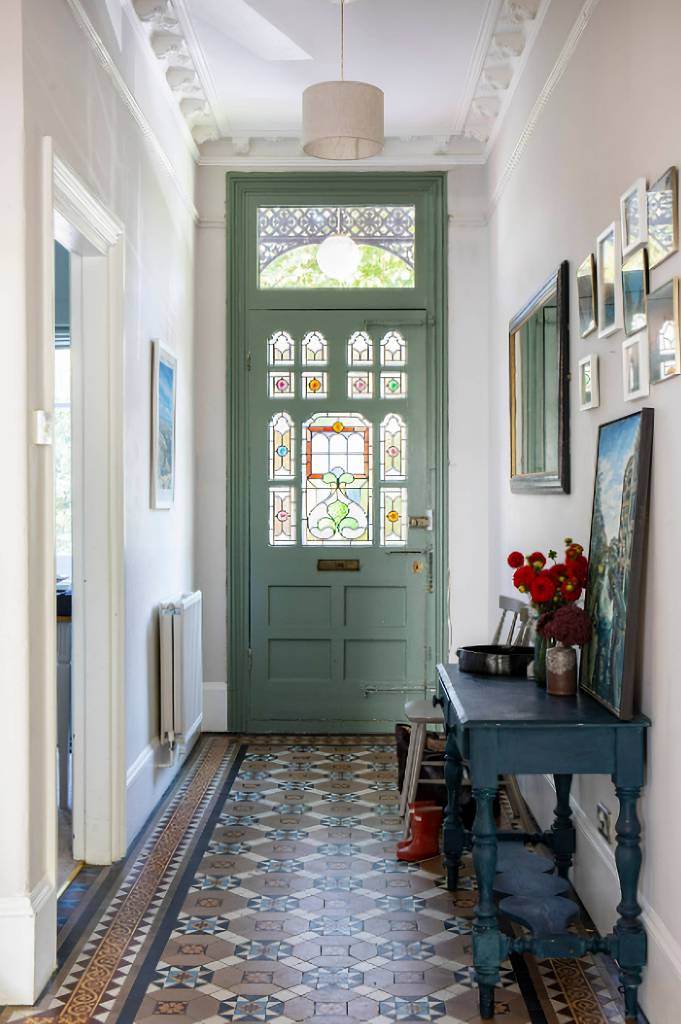
Stained Glass and Transom Windows
Windows in historic homes aren’t just sources of light—they’re design elements in their own right. Leaded stained glass was commonly used in entryways, stairwells, or parlors to add a splash of color and artistry. Transom windows above doors improved ventilation while contributing to the overall aesthetic with their distinctive shapes and glasswork.
Original windows were typically made with wavy, mouth-blown glass, adding texture and depth to natural light. While they might not meet today’s energy efficiency standards, they offer a kind of visual richness that modern double-paned glass simply can’t replicate.
Built-Ins and Thoughtful Storage
Before the age of sprawling closets and modular furniture, historic homes were often designed with clever built-ins to maximize space. Think glass-front cabinets, window seats with hidden compartments, and floor-to-ceiling bookshelves—all integrated seamlessly into the home’s architecture.
These built-ins offer more than just storage—they create cozy, usable nooks and preserve valuable square footage. And because they were built to match the scale and style of the home, they feel like natural extensions of the structure rather than afterthoughts.
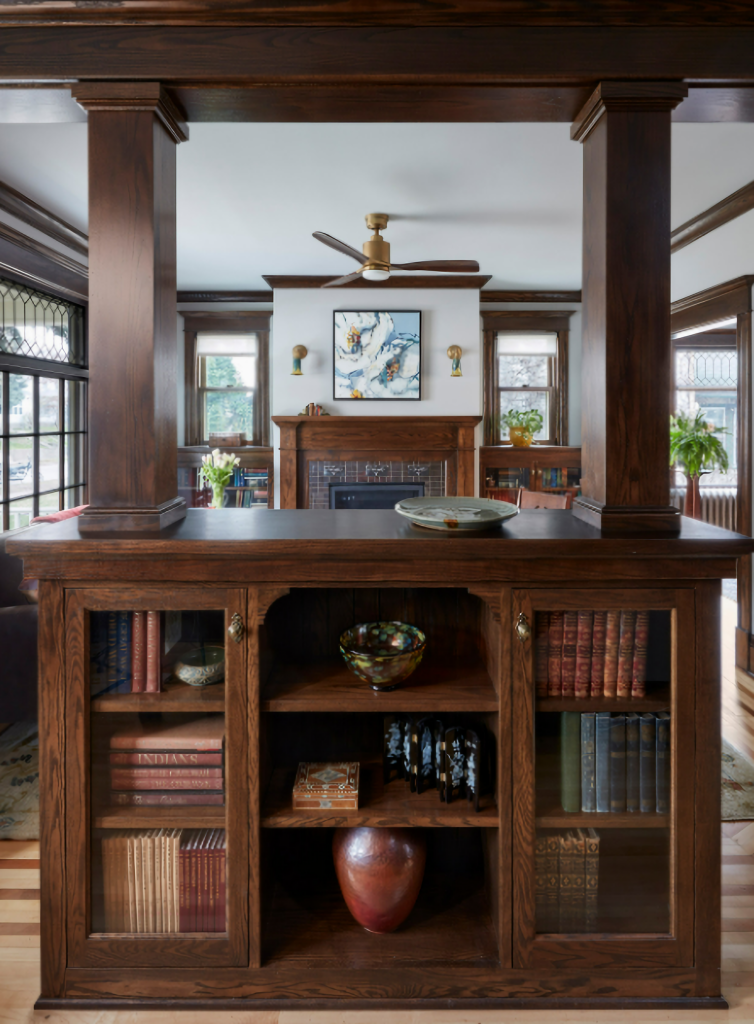 Photo by David Heide Design Studio
Patina and Personality of Historic Homes
Ultimately, it’s the combination of all these details that gives historic homes their irreplaceable soul. They’re not just houses—they’re stories carved in wood and painted in sun-faded colors. Even their quirks, like sloping floors or imperfect plaster, are part of their charm.
 Photo by Haver & Skolnick LLC Architects
In an age of fast construction and fleeting trends, the lasting beauty of historic homes reminds us that some things truly do get better with age. What do you think? Do you prefer historic homes or new construction?

Give me a historic home any day! I love their charm and quirks. They have so much more personality than modern homes.
Oh, definitely old. I like to ponder how the people who crafted these truly old houses would feel about the fact that are not only still standing, but being lived in and enjoyed so many centuries later.
I love older homes and all those wonderful details. Because I’m older and by myself I use to go on a tour bus to different areas of the USA and they always took us on a tour of old homes. They were so interesting even the servants quarters, I love those tours and enjoyed seeing a lot of our country. Thanks for reminding me what they were like.
I always enjoy your posts, Jennifer! I love all the old Victorian homes that have so much character. We don’t have many of these historic homes where I live in Canada so I really enjoy seeing all your lovely pictures and reading your comments. You do a wonderful job of capturing all the beauty these historic homes. And your beautiful home is lovely! Thanks for sharing!